



In today’s fast-paced digital landscape, the importance of digital marketing and social media cannot be overstated. As you navigate through various platforms, you realize that these tools are not just about promoting products or services; they are about building relationships and engaging with your audience on a deeper level. Social media has transformed the way businesses interact with consumers, allowing for real-time communication and feedback.
You can leverage platforms like Facebook, Instagram, Twitter, and LinkedIn to create a brand presence that resonates with your target audience. By sharing valuable content, responding to inquiries, and participating in conversations, you can foster a community around your brand. Moreover, the analytics provided by social media platforms enable you to track engagement and understand your audience’s preferences.
This data-driven approach allows you to refine your marketing strategies continuously. You can identify which types of content generate the most interaction and adjust your campaigns accordingly. The ability to target specific demographics with tailored messages enhances the effectiveness of your marketing efforts.
As you delve deeper into digital marketing, you will find that it is not merely about selling; it is about storytelling and creating an emotional connection with your audience.
Key Takeaways
- Digital marketing and social media are essential for reaching and engaging with a wide audience in today’s digital age.
- Personalization and customization are key to creating a unique and tailored experience for customers, leading to increased satisfaction and loyalty.
- Influencer marketing can be a powerful tool for reaching new audiences and building brand credibility through authentic and relatable content.
- Artificial intelligence and automation can streamline processes, improve efficiency, and provide valuable insights for marketing strategies.
- E-commerce and online shopping continue to grow in popularity, offering convenience and a wide range of options for consumers.
Personalization and Customization
As you explore the realm of marketing, personalization and customization emerge as pivotal strategies in enhancing customer experience. In an age where consumers are bombarded with generic advertisements, you recognize the value of tailoring your messages to meet individual needs. Personalization goes beyond simply addressing customers by their names; it involves understanding their preferences, behaviors, and purchasing history.
By utilizing data analytics, you can create targeted campaigns that resonate with specific segments of your audience, making them feel valued and understood. Customization takes this a step further by allowing customers to have a say in their purchasing experience. Whether it’s through personalized product recommendations or customizable options for products, you can empower your customers to make choices that reflect their unique tastes.
This level of engagement not only increases customer satisfaction but also fosters loyalty. When customers feel that a brand understands them and caters to their specific needs, they are more likely to return for future purchases. As you implement these strategies, you will find that personalization and customization are not just trends; they are essential components of a successful marketing strategy.
Influencer Marketing
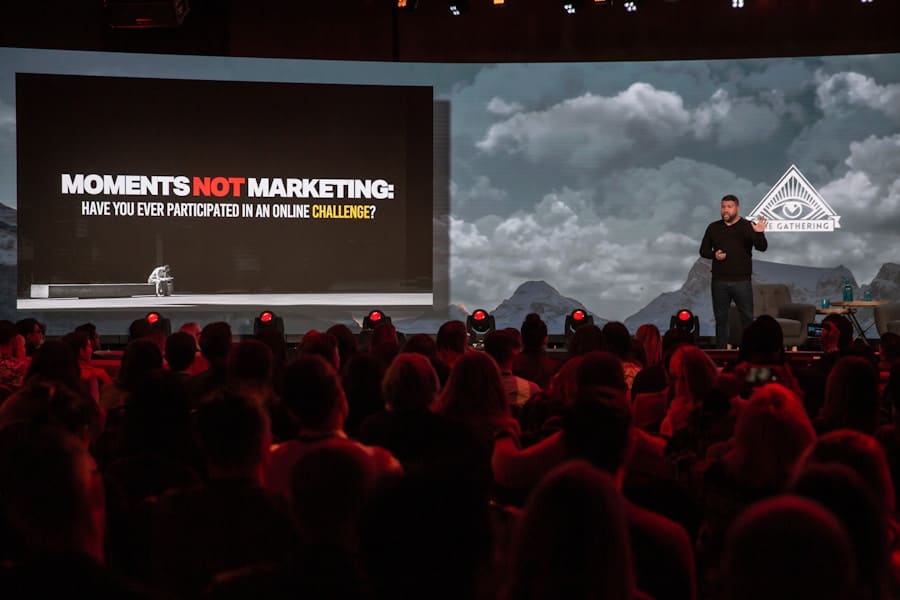
In recent years, influencer marketing has emerged as a powerful tool for brands looking to reach new audiences. As you consider this approach, you realize that influencers have the ability to sway consumer opinions and drive purchasing decisions. By collaborating with individuals who have established credibility and a loyal following in your niche, you can tap into their audience and gain exposure in a way that traditional advertising may not achieve.
The authenticity that influencers bring to their endorsements can significantly enhance your brand’s image. However, choosing the right influencer is crucial. You must align with individuals whose values resonate with your brand and whose audience matches your target demographic.
This alignment ensures that the partnership feels genuine and not forced. As you engage in influencer marketing, consider the various formats available—whether it’s sponsored posts, product reviews, or social media takeovers. Each format offers unique opportunities for storytelling and engagement.
By leveraging influencer marketing effectively, you can create buzz around your products while building trust with potential customers.
Artificial Intelligence and Automation
Artificial intelligence (AI) and automation are revolutionizing the way businesses operate, particularly in the realm of marketing. As you delve into these technologies, you discover that they can streamline processes, enhance customer interactions, and provide valuable insights into consumer behavior. AI-powered tools can analyze vast amounts of data to identify trends and patterns that would be impossible for humans to discern alone.
This capability allows you to make informed decisions about your marketing strategies and optimize campaigns for better results. Automation plays a significant role in improving efficiency as well. By automating repetitive tasks such as email marketing, social media posting, and customer segmentation, you free up valuable time to focus on more strategic initiatives.
This not only increases productivity but also ensures consistency in your messaging across various channels. As you embrace AI and automation, you will find that these technologies empower you to deliver personalized experiences at scale while maintaining a high level of engagement with your audience.
E-commerce and Online Shopping
The rise of e-commerce has transformed the retail landscape, making it easier than ever for consumers to shop from the comfort of their homes. As you navigate this digital marketplace, you recognize the importance of creating a seamless online shopping experience for your customers. From user-friendly website design to secure payment options, every aspect of the e-commerce journey must be optimized to encourage conversions.
You understand that a well-designed website not only attracts visitors but also keeps them engaged throughout the purchasing process. Additionally, the integration of various technologies has enhanced the online shopping experience significantly. Features such as virtual try-ons, augmented reality product displays, and personalized recommendations have become essential tools for e-commerce businesses.
These innovations not only make shopping more enjoyable but also help customers make informed decisions. As you continue to explore e-commerce trends, you’ll find that staying ahead of technological advancements is crucial for maintaining a competitive edge in this ever-evolving landscape.
Sustainability and Social Responsibility

In an era where consumers are increasingly conscious of their impact on the environment, sustainability and social responsibility have become vital components of successful business strategies. As you consider how to incorporate these values into your brand, you realize that consumers are more likely to support companies that prioritize ethical practices and environmental stewardship. By adopting sustainable practices—such as using eco-friendly materials or reducing waste—you can appeal to a growing demographic that values corporate responsibility.
Moreover, transparency is key when it comes to sustainability efforts. You must communicate openly about your initiatives and progress toward sustainability goals. This transparency builds trust with your audience and demonstrates your commitment to making a positive impact on society.
As you embrace sustainability and social responsibility in your marketing efforts, you’ll find that these values resonate deeply with consumers, fostering loyalty and encouraging them to advocate for your brand.
Virtual Events and Networking
The shift toward virtual events has reshaped how businesses connect with their audiences and network within their industries. As you adapt to this new normal, you recognize the potential of virtual events to reach a broader audience without geographical limitations. Webinars, online conferences, and virtual trade shows offer unique opportunities for engagement and knowledge sharing.
By hosting or participating in these events, you can showcase your expertise while connecting with potential customers and industry peers. Networking in a virtual environment requires a different approach than traditional face-to-face interactions. You must leverage digital tools to facilitate meaningful connections—whether through breakout sessions, chat features, or interactive polls.
Engaging participants during virtual events is crucial for maintaining interest and fostering relationships. As you navigate this landscape, you’ll discover that virtual events not only provide valuable exposure but also allow for innovative ways to connect with others in your field.
Globalization and International Expansion
As businesses increasingly look beyond their borders for growth opportunities, globalization has become a key focus for many organizations. You understand that expanding into international markets presents both challenges and rewards. Cultural differences, regulatory requirements, and varying consumer preferences must be carefully considered as you develop strategies for global expansion.
Conducting thorough market research is essential to identify potential markets where your products or services will resonate. Additionally, localization plays a critical role in successful international marketing efforts. Adapting your messaging, branding, and even product offerings to align with local customs and preferences can significantly enhance your chances of success in new markets.
As you embark on this journey of globalization, you’ll find that embracing diversity and understanding cultural nuances will be instrumental in building strong connections with international audiences while driving growth for your business. In conclusion, navigating the complexities of modern marketing requires an understanding of various trends and technologies shaping the landscape today. From digital marketing strategies to sustainability initiatives, each aspect plays a crucial role in building a successful brand in an increasingly competitive environment.
By staying informed and adaptable, you can position yourself for success in this dynamic world of marketing.
If you are interested in learning more about MLM software solutions, check out this article that provides insights into how technology is shaping the future of network marketing. Additionally, if you want to improve your MLM skills, you can read this article for tips and strategies. For a comprehensive guide on internet marketing, this article covers everything you need to know to succeed in the digital landscape.
FAQs
What is network marketing?
Network marketing, also known as multi-level marketing (MLM), is a business model in which a company distributes its products or services through a network of independent distributors or representatives. These distributors earn income through direct sales and by recruiting new distributors into their network.
What are the top trends shaping the future of network marketing?
Some of the top trends shaping the future of network marketing include the use of social media and digital marketing strategies, the emphasis on personal branding and authenticity, the integration of e-commerce and online sales platforms, and the focus on sustainable and eco-friendly products.
How is social media shaping the future of network marketing?
Social media has become a powerful tool for network marketers to connect with potential customers and recruit new distributors. Platforms like Facebook, Instagram, and LinkedIn allow network marketers to reach a wider audience, build relationships, and promote their products or services effectively.
Why is personal branding important in network marketing?
Personal branding is important in network marketing because it helps distributors differentiate themselves from others in the industry, build trust with their audience, and establish themselves as experts in their niche. A strong personal brand can also attract potential customers and recruits.
How is e-commerce impacting network marketing?
The integration of e-commerce and online sales platforms has made it easier for network marketers to reach customers beyond their local markets. Distributors can now sell products or services online, reach a global audience, and leverage digital tools to streamline their sales and marketing efforts.
What role does sustainability play in the future of network marketing?
Sustainability is becoming increasingly important in network marketing as consumers are more conscious of the environmental and social impact of the products they purchase. Companies and distributors are focusing on offering sustainable and eco-friendly products to meet the growing demand for ethical and responsible consumption.


