



To truly grasp the essence of the customer journey, you must first recognize that it is not a linear path but rather a complex web of interactions and experiences. Each touchpoint, from the moment a potential customer becomes aware of your brand to the final purchase and beyond, plays a crucial role in shaping their perception and decision-making process. By mapping out this journey, you can gain valuable insights into how customers interact with your business at various stages.
This understanding allows you to tailor your strategies to meet their needs effectively. As you delve deeper into the customer journey, consider the various stages: awareness, consideration, decision, and post-purchase. Each stage presents unique challenges and opportunities.
For instance, during the awareness phase, customers are seeking information and solutions to their problems. Your goal here is to provide valuable content that resonates with their needs and captures their attention. By understanding these stages, you can create targeted marketing campaigns that guide customers seamlessly from one phase to the next, ultimately leading to increased conversions and customer satisfaction.
Key Takeaways
- Understanding the customer journey is crucial for creating a seamless and personalized experience.
- Identifying pain points and opportunities allows businesses to address customer needs and improve their overall experience.
- Personalizing the customer experience can lead to increased satisfaction and loyalty.
- Improving communication and engagement helps build stronger relationships with customers.
- Aligning sales and marketing efforts ensures a cohesive approach to reaching and serving customers.
Identifying Pain Points and Opportunities
Uncovering Pain Points through Customer Feedback
By conducting surveys, interviews, or analyzing customer feedback, you can uncover these pain points and address them proactively. Once you’ve identified these challenges, you can also spot opportunities for improvement. For example, if customers frequently express frustration with a lengthy checkout process, streamlining this experience could significantly enhance satisfaction and reduce cart abandonment rates.
Improving Customer Experience and Differentiation
Additionally, by addressing pain points, you not only improve the customer experience but also differentiate your brand from competitors who may overlook these critical aspects. This proactive approach can lead to increased loyalty and positive word-of-mouth referrals.
The Benefits of a Proactive Approach
By taking a proactive approach to addressing pain points, you can reap the benefits of increased customer satisfaction, reduced cart abandonment rates, and increased loyalty and positive word-of-mouth referrals.
Personalizing the Customer Experience
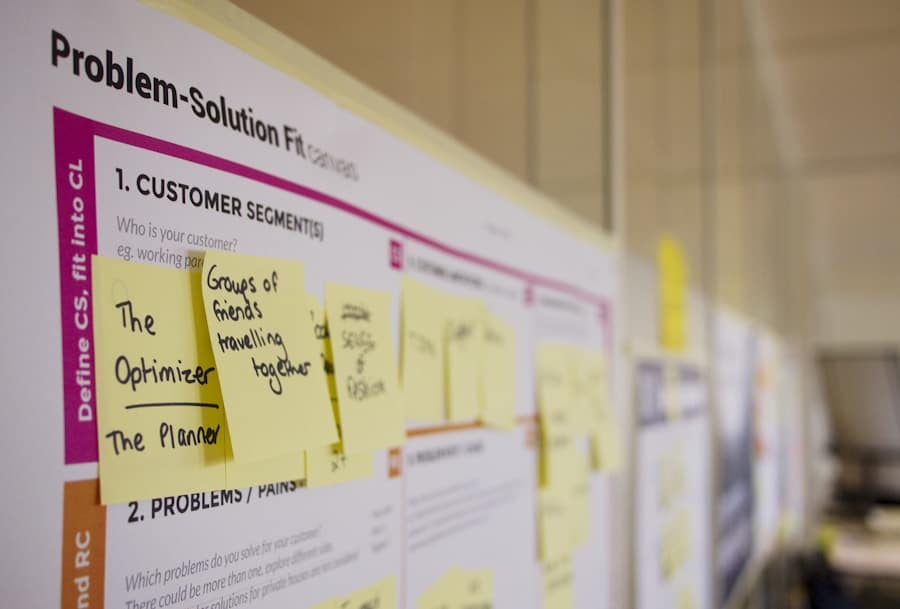
In today’s competitive landscape, personalization is no longer a luxury; it is a necessity. Customers expect tailored experiences that cater to their individual preferences and needs. To achieve this, you must leverage data and insights gathered from previous interactions.
By analyzing customer behavior, purchase history, and preferences, you can create personalized marketing messages that resonate with each individual. Personalization goes beyond simply addressing customers by their names in emails; it involves curating content and recommendations that align with their interests. For instance, if a customer frequently purchases outdoor gear, sending them targeted promotions for related products can enhance their shopping experience.
Additionally, personalized communication fosters a sense of connection between your brand and the customer, making them feel valued and understood. This emotional connection can lead to increased engagement and loyalty over time.
Improving Communication and Engagement
Effective communication is at the heart of a positive customer experience. You need to ensure that your messaging is clear, consistent, and relevant across all channels. Whether through email, social media, or live chat, maintaining open lines of communication allows customers to feel heard and supported throughout their journey.
Regularly engaging with your audience not only builds trust but also encourages them to share their thoughts and feedback. Moreover, consider implementing various communication strategies to enhance engagement. For instance, utilizing chatbots for instant responses can improve customer satisfaction by providing immediate assistance.
Additionally, hosting webinars or interactive Q&A sessions can foster a sense of community among your customers while positioning your brand as an industry leader. By prioritizing communication and engagement, you create an environment where customers feel valued and connected to your brand.
Aligning Sales and Marketing Efforts
To maximize your business’s potential, aligning sales and marketing efforts is crucial. When both teams work in harmony, they can create a seamless experience for customers throughout their journey. Start by fostering open communication between sales and marketing teams to ensure everyone is on the same page regarding goals, messaging, and target audiences.
Collaboration between these departments allows for a more cohesive approach to lead generation and nurturing. For example, marketing can provide sales with valuable insights about customer behavior and preferences gathered from campaigns. In turn, sales can share feedback on leads generated by marketing efforts, helping refine future strategies.
By aligning these two critical functions, you not only enhance efficiency but also create a unified brand experience that resonates with customers.
Enhancing Customer Retention and Loyalty

Customer retention is often more cost-effective than acquiring new customers, making it essential for long-term success. To enhance retention rates, focus on building strong relationships with your existing customers. This involves consistently delivering value through exceptional products or services while also providing outstanding customer support.
Implementing loyalty programs can be an effective strategy for encouraging repeat business. By rewarding customers for their loyalty with discounts or exclusive offers, you create an incentive for them to continue choosing your brand over competitors. Additionally, regularly seeking feedback from loyal customers allows you to understand their needs better and make necessary adjustments to improve their experience further.
By prioritizing retention strategies, you cultivate a loyal customer base that advocates for your brand.
Leveraging Data and Analytics
In today’s data-driven world, leveraging analytics is vital for making informed business decisions. By collecting and analyzing data from various sources—such as website traffic, social media engagement, and customer feedback—you gain valuable insights into customer behavior and preferences. This information enables you to identify trends and patterns that can inform your marketing strategies.
Utilizing data analytics also allows you to measure the effectiveness of your campaigns in real-time. By tracking key performance indicators (KPIs), you can assess what works and what doesn’t, enabling you to make data-driven adjustments on the fly. This agility ensures that your marketing efforts remain relevant and impactful while maximizing return on investment (ROI).
Ultimately, leveraging data empowers you to create more targeted campaigns that resonate with your audience.
Measuring and Optimizing Results
To ensure continuous improvement in your customer experience strategies, measuring and optimizing results is essential. Establishing clear metrics allows you to evaluate the success of your initiatives effectively. Whether it’s tracking conversion rates, customer satisfaction scores, or engagement levels, having quantifiable data helps you gauge performance accurately.
Once you’ve measured results, it’s crucial to analyze the data critically. Identify areas where you’re excelling as well as those that require improvement. This analysis should inform your optimization efforts—whether that means refining messaging, adjusting targeting strategies, or enhancing product offerings.
By adopting a mindset of continuous improvement and being willing to adapt based on insights gained from measurement, you position your business for long-term success in an ever-evolving marketplace. In conclusion, understanding the customer journey is fundamental to creating meaningful experiences that drive loyalty and growth. By identifying pain points and opportunities for improvement while personalizing interactions and enhancing communication efforts, you can foster stronger relationships with your customers.
Aligning sales and marketing efforts further amplifies these benefits while leveraging data analytics ensures informed decision-making. Finally, measuring results allows for ongoing optimization of strategies that keep your business ahead of the competition in delivering exceptional customer experiences.
If you are looking to improve your MLM business through customer journey mapping, you may also find the article on matrix MLM helpful. This article discusses how to effectively structure your MLM business using a matrix system. Additionally, the article on our idea for MLM success. These resources can complement your customer journey mapping efforts and help you achieve your business goals.
FAQs
What is customer journey mapping?
Customer journey mapping is the process of visually representing the steps and touchpoints that a customer goes through when interacting with a business, from initial awareness to post-purchase support.
How can customer journey mapping improve an MLM business?
Customer journey mapping can improve an MLM business by helping to identify pain points and opportunities for improvement in the customer experience, leading to better retention, increased sales, and improved distributor satisfaction.
What are the benefits of using customer journey mapping in an MLM business?
The benefits of using customer journey mapping in an MLM business include gaining a deeper understanding of the customer experience, identifying areas for improvement, creating more targeted and effective marketing strategies, and ultimately increasing sales and retention.
What are some common touchpoints to consider when creating a customer journey map for an MLM business?
Common touchpoints to consider when creating a customer journey map for an MLM business include social media interactions, website visits, product demonstrations, purchase process, onboarding for new distributors, and ongoing support and communication.
How can customer journey mapping help in understanding distributor experiences in an MLM business?
Customer journey mapping can help in understanding distributor experiences in an MLM business by identifying the steps and interactions that distributors go through, from onboarding to training to sales support, and by pinpointing areas where the distributor experience can be improved.


