



In the world of sales, the right words can make all the difference. You may find yourself in situations where you need to persuade a potential customer, and having a well-crafted sales script can be your secret weapon. A sales script is essentially a structured dialogue that guides you through the conversation, ensuring that you cover all necessary points while maintaining a natural flow.
It serves as a roadmap, helping you navigate the complexities of customer interactions and leading you toward closing the deal. As you embark on your sales journey, understanding the nuances of sales scripts becomes crucial. They are not merely a collection of phrases or a rigid set of instructions; rather, they are dynamic tools that can adapt to various situations and audiences.
By mastering the art of sales scripting, you can enhance your communication skills, build rapport with clients, and ultimately drive more sales. This article will delve into the importance of effective sales scripts, their essential elements, and how to tailor them for different audiences, among other key aspects.
Key Takeaways
- A sales script is a pre-written set of talking points and responses that salespeople use to guide their conversations with potential customers.
- Effective sales scripts are important because they help salespeople stay on message, build rapport with customers, and overcome objections.
- A successful sales script includes a strong opening, clear value proposition, effective handling of objections, and a compelling call to action.
- Examples of effective sales scripts include those that are personalized, empathetic, and focused on solving the customer’s pain points.
- Tailoring sales scripts for different audiences involves understanding the unique needs, challenges, and preferences of each customer segment and adjusting the script accordingly.
The Importance of Effective Sales Scripts
Consistency and Trust
Having a well-defined script ensures that every member of your sales team communicates the same core message to potential customers. This consistency not only reinforces your brand identity but also builds trust with your audience. When customers hear the same information from different representatives, they are more likely to feel confident in their decision-making process.
Improved Conversion Rates
Effective sales scripts can significantly improve your conversion rates. When you have a clear structure to follow, you can focus on delivering value to your prospects rather than scrambling to remember key points. This clarity allows you to engage more effectively with potential customers, addressing their needs and concerns in a way that resonates with them.
Guiding Customers Toward a Purchase
As a result, you are more likely to guide them toward making a purchase decision that benefits both parties.
Elements of a Successful Sales Script
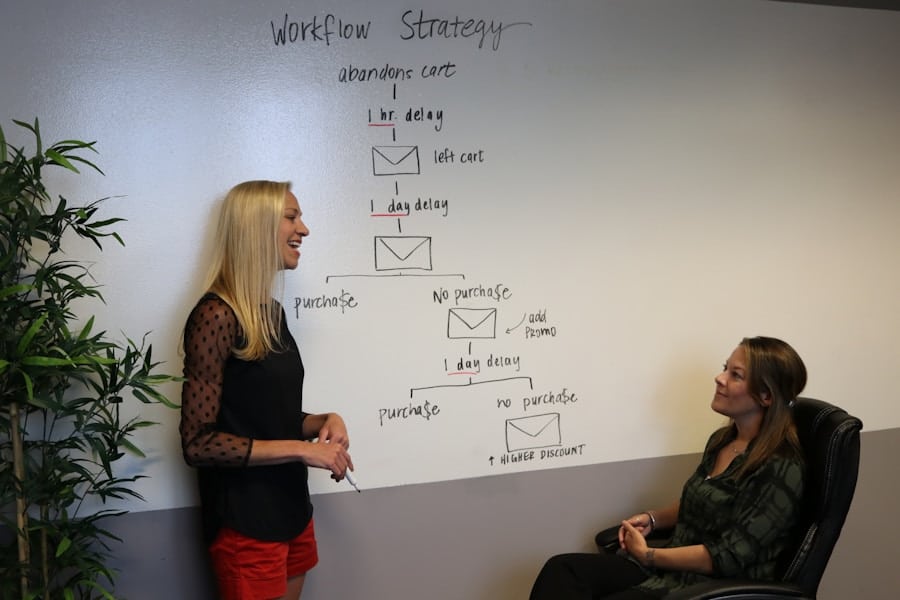
Creating a successful sales script involves several key elements that work together to create an engaging and persuasive dialogue. One of the most critical components is the opening statement. This is your chance to make a strong first impression and capture the prospect’s attention.
A compelling opening should be tailored to the individual you are speaking with, addressing their specific needs or pain points right from the start. Another essential element is the value proposition. This is where you articulate what makes your product or service unique and why it is the best solution for the prospect’s needs.
A well-crafted value proposition should be clear, concise, and focused on the benefits rather than just features. Additionally, incorporating questions throughout your script can foster engagement and encourage dialogue. By asking open-ended questions, you invite prospects to share their thoughts and concerns, allowing you to tailor your responses accordingly.
Examples of Effective Sales Scripts
To illustrate the power of effective sales scripts, consider a scenario in which you are selling software solutions to small businesses. An example of an opening statement might be: “Hi [Prospect’s Name], I noticed that many small businesses like yours struggle with managing their customer relationships efficiently. I’d love to share how our software can streamline that process for you.” This opening not only addresses a common pain point but also positions you as someone who understands their challenges.
Another example could involve a follow-up call after an initial meeting. You might say: “Hi [Prospect’s Name], I hope you’re doing well! I wanted to follow up on our last conversation about how our product can help increase your team’s productivity by automating routine tasks.
Have you had any further thoughts on how this could benefit your business?” This approach reinforces your previous discussion while inviting further engagement, making it easier for the prospect to express any hesitations or questions they may have.
How to Tailor Sales Scripts for Different Audiences
Tailoring your sales script for different audiences is crucial for maximizing its effectiveness. Each prospect comes with unique needs, preferences, and pain points that require a customized approach. To achieve this, start by conducting thorough research on your target audience.
Understand their industry, challenges, and what motivates them to make purchasing decisions. This knowledge will allow you to craft a script that speaks directly to their specific situation. For instance, if you’re selling to a tech-savvy audience, you might want to incorporate industry jargon and focus on advanced features of your product.
Conversely, if you’re speaking with someone less familiar with technology, it would be more effective to simplify your language and emphasize ease of use and customer support. By adapting your script in this way, you demonstrate that you understand your audience and are genuinely interested in meeting their needs.
Tips for Improving Sales Script Performance

Improving the performance of your sales script requires ongoing refinement and practice. One effective strategy is to role-play with colleagues or mentors. By simulating real-life scenarios, you can identify areas where your script may fall short or where you might struggle to engage prospects effectively.
This practice not only helps you become more comfortable with the script but also allows for valuable feedback that can lead to improvements. Additionally, consider recording your sales calls (with permission) to analyze your performance later. Listening to these recordings can provide insights into your tone, pacing, and overall delivery.
You may discover patterns in your conversations that either resonate well with prospects or lead to disengagement. Use this information to adjust your script accordingly and enhance its effectiveness over time.
Common Mistakes to Avoid in Sales Scripts
While crafting a sales script can be beneficial, there are common pitfalls that you should avoid to ensure its success. One major mistake is being overly scripted or robotic in delivery. While having a script is essential for structure, sounding too rehearsed can alienate prospects and hinder genuine connection.
Strive for a conversational tone that allows for flexibility while still covering key points. Another common error is neglecting to listen actively during conversations. A successful sales interaction is not just about delivering information; it’s also about understanding the prospect’s needs and responding appropriately.
If you’re too focused on sticking to the script, you may miss valuable cues from the prospect that could guide the conversation in a more productive direction.
The Impact of Effective Sales Scripts
In conclusion, effective sales scripts play a pivotal role in driving successful sales interactions. They provide structure and consistency while allowing for personalization that resonates with different audiences. By understanding the importance of these scripts and incorporating essential elements such as compelling openings and value propositions, you can significantly enhance your ability to connect with prospects.
As you continue to refine your sales scripts and adapt them based on feedback and performance analysis, you’ll find that they become increasingly powerful tools in your sales arsenal. Remember that the ultimate goal is not just to sell but to build relationships based on trust and understanding. With effective sales scripts at your disposal, you’re well-equipped to navigate the complexities of customer interactions and achieve lasting success in your sales endeavors.
If you are looking to improve your sales performance, it is essential to also evaluate your compensation plan to ensure it aligns with your goals. This article on evaluating compensation plans provides valuable insights on how to structure a plan that motivates your sales team effectively. By understanding the importance of compensation in driving sales success, you can tailor your scripts to better address the needs and motivations of your team.
FAQs
What are sales scripts?
Sales scripts are pre-written dialogues or outlines that salespeople use to guide their conversations with potential customers. These scripts are designed to help salespeople communicate effectively, address common objections, and ultimately close more sales.
Why are sales scripts important?
Sales scripts are important because they provide a structured framework for salespeople to follow during their interactions with potential customers. They help salespeople stay on message, address customer concerns, and guide the conversation towards a successful sale.
What makes a sales script effective?
An effective sales script is one that is well-researched, tailored to the target audience, and provides clear guidance for salespeople. It should address common objections, highlight the benefits of the product or service, and encourage a positive customer response.
What are some common elements of effective sales scripts?
Common elements of effective sales scripts include an attention-grabbing opening, a clear value proposition, responses to common objections, a call to action, and a focus on building rapport with the customer.
How can sales scripts be customized for different industries or products?
Sales scripts can be customized for different industries or products by incorporating industry-specific language, addressing unique pain points or challenges, and highlighting the specific benefits or features of the product or service being sold.
Are there any best practices for using sales scripts?
Best practices for using sales scripts include practicing and internalizing the script, adapting it to fit the natural flow of conversation, actively listening to the customer’s responses, and being prepared to deviate from the script when necessary.


