


Innovation is the lifeblood of any industry, and network marketing is no exception. In a landscape characterized by rapid technological advancements and shifting consumer preferences, the ability to innovate can distinguish successful enterprises from those that falter. Network marketing thrives on personal relationships and word-of-mouth promotion, making it essential for businesses to adapt their strategies continually.
For instance, the rise of social media has transformed how network marketers engage with potential customers and recruits. Platforms like Instagram and TikTok have opened new avenues for outreach, allowing marketers to showcase products in creative ways that resonate with younger audiences. This shift underscores the necessity for innovation in marketing strategies, product offerings, and even recruitment processes.
Moreover, innovation in network marketing is not solely about adopting new technologies; it also involves rethinking traditional practices. For example, many companies are now leveraging data analytics to understand consumer behavior better and tailor their marketing efforts accordingly. By analyzing trends and preferences, network marketers can create personalized experiences that enhance customer loyalty and drive sales.
This data-driven approach exemplifies how innovation can lead to more effective strategies, ultimately resulting in higher conversion rates and a more robust network of distributors. As the market continues to evolve, those who embrace innovation will be better positioned to navigate challenges and seize opportunities.
Key Takeaways
- Innovation is crucial for success in network marketing as it allows for differentiation and staying ahead of the competition.
- Fostering a growth mindset in your team is essential for encouraging creativity and adaptability.
- Encouraging collaboration and open communication fosters a culture of sharing ideas and feedback, leading to innovative solutions.
- Providing resources and support for experimentation allows for the exploration of new ideas and strategies.
- Recognizing and rewarding innovative ideas and efforts motivates team members to continue thinking outside the box.
Fostering a Growth Mindset in Your Team
A growth mindset is a fundamental component of fostering innovation within a network marketing team. This concept, popularized by psychologist Carol Dweck, emphasizes the belief that abilities and intelligence can be developed through dedication and hard work. When team members adopt a growth mindset, they become more open to learning from experiences, including failures.
This openness is crucial in an industry where adaptability is key to success. Encouraging your team to view challenges as opportunities for growth can lead to increased creativity and problem-solving capabilities. For instance, when faced with a setback in a marketing campaign, a team with a growth mindset will analyze what went wrong and brainstorm alternative strategies rather than becoming discouraged.
To cultivate this mindset, leaders can implement various strategies, such as providing regular feedback that focuses on effort rather than innate talent. Celebrating small wins and progress can also reinforce the idea that improvement is a continuous journey. Additionally, offering professional development opportunities—such as workshops or training sessions—can empower team members to expand their skill sets and embrace new challenges.
By creating an environment where learning is prioritized, leaders can inspire their teams to innovate and explore new avenues for success.
Encouraging Collaboration and Open Communication
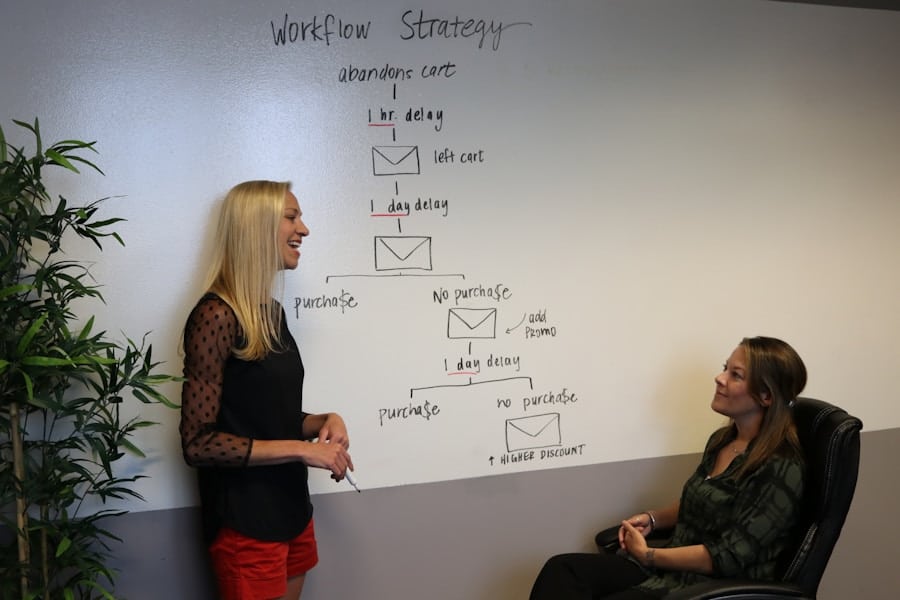
Collaboration is a cornerstone of innovation in network marketing. When team members work together, they can pool their diverse skills and perspectives to generate creative solutions. Encouraging collaboration can take many forms, from brainstorming sessions to cross-functional projects that bring together individuals from different areas of expertise.
For example, a network marketing team might benefit from collaborating with graphic designers to create visually appealing promotional materials or with data analysts to refine targeting strategies based on consumer insights. Such collaborative efforts not only enhance the quality of work but also foster a sense of camaraderie among team members. Open communication is equally vital in promoting collaboration.
Leaders should create an environment where team members feel comfortable sharing their ideas without fear of judgment. This can be achieved through regular check-ins, feedback sessions, and open-door policies that encourage dialogue. Utilizing digital communication tools can also facilitate collaboration, especially in remote or hybrid work environments.
Platforms like Slack or Microsoft Teams allow for real-time discussions and idea sharing, breaking down silos that may exist within the organization. By prioritizing collaboration and communication, leaders can harness the collective intelligence of their teams, leading to innovative solutions that drive success.
Providing Resources and Support for Experimentation
For innovation to flourish within a network marketing team, it is essential to provide the necessary resources and support for experimentation. This includes not only financial resources but also access to tools, technology, and training that enable team members to explore new ideas. For instance, if a team member proposes a novel approach to social media marketing, providing them with access to analytics software or budget for targeted ads can empower them to test their hypothesis effectively.
This support signals that leadership values creativity and is willing to invest in new initiatives. Additionally, creating a structured process for experimentation can help teams navigate the uncertainties associated with trying new approaches. Establishing clear goals, timelines, and metrics for success allows team members to measure the impact of their experiments objectively.
Regularly reviewing these experiments can also provide valuable insights into what works and what doesn’t, fostering a culture of continuous improvement. By equipping teams with the resources they need and encouraging them to take calculated risks, leaders can cultivate an innovative spirit that drives growth within the organization.
Recognizing and Rewarding Innovative Ideas and Efforts
Recognition plays a crucial role in motivating team members to pursue innovative ideas actively. When individuals feel that their contributions are valued, they are more likely to engage in creative thinking and take risks. Leaders should establish formal recognition programs that celebrate innovative efforts within the team.
This could include awards for the most creative marketing campaign or bonuses for team members who successfully implement new strategies that lead to increased sales. Moreover, informal recognition can be equally impactful. A simple shout-out during team meetings or acknowledgment in company newsletters can boost morale and encourage others to think outside the box.
Creating a culture where innovation is celebrated not only motivates individuals but also reinforces the idea that taking risks is an integral part of the organization’s ethos. By recognizing and rewarding innovative ideas and efforts, leaders can inspire their teams to continue pushing boundaries and exploring new possibilities.
Embracing Failure as a Learning Opportunity

In any innovative endeavor, failure is an inevitable part of the process. However, how teams respond to failure can significantly impact their ability to innovate further. Embracing failure as a learning opportunity rather than a setback fosters resilience and encourages experimentation.
Leaders should communicate that mistakes are not only acceptable but also valuable learning experiences that contribute to personal and professional growth. To create an environment where failure is viewed positively, leaders can share their own experiences with setbacks and how they learned from them. This transparency helps demystify failure and shows team members that even successful individuals encounter challenges along their journey.
Additionally, conducting post-mortem analyses after failed initiatives can provide insights into what went wrong and how similar mistakes can be avoided in the future. By reframing failure as a stepping stone toward success, leaders can cultivate a culture of innovation where team members feel empowered to take risks without fear of repercussions.
Leading by Example and Embracing Change
Leadership plays a pivotal role in shaping an organization’s culture of innovation. Leaders must embody the principles they wish to instill in their teams by demonstrating a willingness to embrace change themselves. This means being open to new ideas, adapting strategies based on feedback, and continuously seeking opportunities for improvement.
When leaders model these behaviors, they set a powerful example for their teams to follow. For instance, if a leader advocates for adopting new technologies but resists using them personally, it sends mixed messages about the importance of innovation. Conversely, when leaders actively engage with new tools or methodologies—such as participating in training sessions or experimenting with new marketing techniques—they inspire their teams to do the same.
Additionally, leaders should communicate their vision for innovation clearly and consistently, ensuring that all team members understand its significance within the organization’s broader goals. By leading by example and embracing change wholeheartedly, leaders can cultivate an environment where innovation thrives.
Creating a Supportive and Inclusive Environment for Diverse Perspectives
Diversity is a powerful driver of innovation in network marketing. When individuals from different backgrounds come together, they bring unique perspectives that can lead to creative solutions and fresh ideas. Leaders must prioritize creating an inclusive environment where all voices are heard and valued.
This involves actively seeking input from team members with diverse experiences and encouraging them to share their insights during brainstorming sessions or strategy meetings. Implementing practices such as anonymous suggestion boxes or regular feedback surveys can help ensure that everyone feels comfortable contributing their ideas without fear of judgment. Additionally, providing training on unconscious bias can help team members recognize their own biases and foster more inclusive discussions.
By creating a supportive environment that values diverse perspectives, leaders can tap into the collective creativity of their teams, leading to innovative approaches that resonate with a broader audience. In conclusion, fostering innovation within network marketing requires a multifaceted approach that encompasses various strategies—from cultivating a growth mindset to embracing diversity. By prioritizing collaboration, providing resources for experimentation, recognizing efforts, embracing failure as a learning opportunity, leading by example, and creating an inclusive environment, leaders can empower their teams to innovate continuously.
In doing so, they position their organizations for sustained success in an ever-evolving marketplace.
If you are looking to boost your network marketing team’s performance, you may want to consider implementing MLM software solutions. These tools can streamline processes, track progress, and provide valuable insights to help your team succeed. Check out