


The advent of virtual reality (VR) technology has ushered in a new era for various industries, and multi-level marketing (MLM) is no exception. As businesses strive to differentiate themselves in a crowded marketplace, the integration of VR offers innovative solutions that can enhance engagement, training, and customer experiences. By immersing users in a three-dimensional environment, VR allows for a level of interaction and realism that traditional marketing methods simply cannot match.
This technology not only captivates potential customers but also empowers distributors with tools that can significantly improve their performance and productivity. In the context of MLM, where personal relationships and trust are paramount, VR can serve as a bridge to create deeper connections between distributors and their prospects. Imagine a scenario where potential customers can experience a product in a virtual setting before making a purchase decision.
This immersive experience can lead to higher conversion rates and increased customer loyalty. Furthermore, as the technology becomes more accessible and affordable, MLM companies are beginning to explore how VR can be integrated into their strategies to foster growth and innovation.
Key Takeaways
- Virtual reality (VR) is a powerful tool for MLM businesses to engage and train their network of distributors and customers.
- Creating VR product demonstrations can provide a more immersive and interactive experience for potential customers, leading to increased sales and retention.
- Hosting VR training sessions can help distributors learn about products and sales techniques in a more engaging and memorable way.
- Using VR for team building activities can help strengthen relationships and communication among MLM teams, leading to better collaboration and productivity.
- VR can be used to enhance networking events by providing a unique and memorable experience for attendees, leading to increased engagement and connections.
Creating Virtual Reality Product Demonstrations
Personalized Experiences
For instance, a skincare MLM could develop a VR experience where users can virtually apply products to their skin, observing the effects in real-time. Moreover, these virtual demonstrations can be tailored to individual preferences, allowing users to customize their experience based on their interests. For example, if a user is particularly interested in fitness products, the VR demonstration could focus on how these products enhance workout routines or improve overall health.
Enhanced Engagement and Conversion
This level of personalization not only enhances user engagement but also increases the likelihood of conversion as customers feel more connected to the product. By leveraging VR technology for product demonstrations, MLM companies can create memorable experiences that resonate with their audience.
Memorable Experiences
By providing immersive and interactive experiences, MLM companies can differentiate themselves from competitors and establish a strong brand presence. As VR technology continues to evolve, it’s likely that we’ll see even more innovative applications of VR in MLM.
Hosting Virtual Reality Training Sessions

Training is a critical component of any successful MLM strategy, as it equips distributors with the knowledge and skills necessary to effectively market products and build their networks. Traditional training methods often involve lengthy presentations or workshops that may not fully engage participants. Virtual reality offers an innovative alternative by providing immersive training sessions that can simulate real-world scenarios.
For instance, new distributors can practice their sales pitches in a virtual environment where they interact with avatars representing potential customers. These VR training sessions can be designed to cover various aspects of the MLM business model, including product knowledge, sales techniques, and team-building strategies. By immersing distributors in realistic situations, they can develop confidence and competence in their abilities.
Additionally, VR training can be conducted remotely, allowing distributors from different geographical locations to participate simultaneously. This flexibility not only saves time and resources but also fosters a sense of community among team members as they learn together in a shared virtual space.
Using Virtual Reality for Team Building
Team building is essential in MLM, where collaboration and support among distributors can significantly impact overall success. Virtual reality provides unique opportunities for team-building activities that transcend physical limitations. For example, teams can engage in virtual escape rooms or collaborative problem-solving challenges that require them to work together to achieve common goals.
These activities not only strengthen relationships among team members but also enhance communication skills and foster a sense of camaraderie. Furthermore, VR team-building exercises can be tailored to address specific challenges within the organization. If a team is struggling with communication or trust issues, VR scenarios can be designed to encourage open dialogue and collaboration.
By creating an immersive environment where team members can interact without the constraints of physical distance, MLM companies can cultivate stronger bonds among their distributors. This enhanced teamwork ultimately translates into improved performance and productivity as team members feel more connected and supported.
Virtual Reality for Networking Events
Networking is a cornerstone of multi-level marketing, as building relationships is crucial for expanding one’s reach and influence. Traditional networking events often involve crowded venues where individuals may struggle to connect meaningfully with others. Virtual reality transforms this experience by creating immersive networking environments where participants can interact in a more engaging manner.
Imagine attending a virtual conference where attendees can navigate through different booths, engage in discussions with industry leaders, and participate in workshops—all from the comfort of their homes. These virtual networking events can also facilitate connections across geographical boundaries, allowing distributors from different regions to collaborate and share insights. For instance, an MLM company could host a global virtual summit where distributors from various countries come together to exchange ideas and strategies.
The ability to connect with individuals from diverse backgrounds enriches the networking experience and fosters innovation within the organization. By leveraging VR technology for networking events, MLM companies can create dynamic platforms that enhance relationship-building opportunities.
Enhancing Customer Experience with Virtual Reality
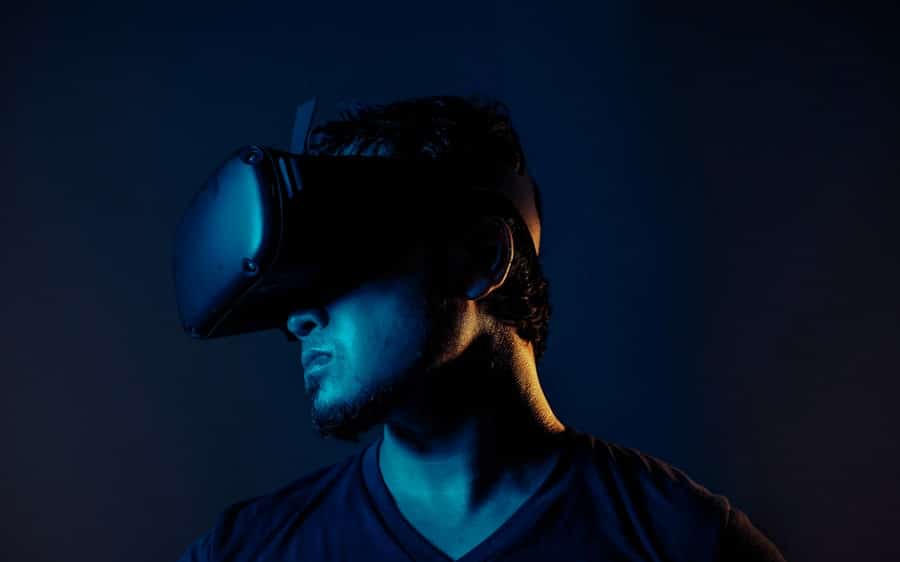
Customer experience is paramount in any business model, and MLM is no exception. Virtual reality offers innovative ways to enhance customer interactions by providing immersive experiences that engage users on multiple levels. For instance, an MLM company selling home decor products could create a virtual showroom where customers can explore different room designs and visualize how products would look in their own homes.
This interactive experience allows customers to make informed decisions while feeling more connected to the brand. Additionally, VR can be used for personalized customer service experiences. Imagine a scenario where customers can enter a virtual consultation room and interact with an avatar representing a knowledgeable distributor who guides them through product selections based on their preferences.
This level of personalized attention not only enhances customer satisfaction but also builds trust and loyalty toward the brand. By integrating VR into customer experience strategies, MLM companies can create memorable interactions that resonate with consumers long after the initial engagement.
Tracking and Analyzing Virtual Reality Engagement
As with any marketing strategy, measuring the effectiveness of virtual reality initiatives is crucial for understanding their impact on business outcomes. Tracking and analyzing engagement within VR environments provides valuable insights into user behavior and preferences. For instance, MLM companies can monitor how long users spend interacting with product demonstrations or which features generate the most interest during training sessions.
This data allows businesses to refine their VR offerings based on actual user experiences. Moreover, advanced analytics tools can provide deeper insights into user interactions within virtual environments. By analyzing patterns in engagement data, MLM companies can identify trends that inform future strategies.
For example, if data reveals that users are particularly drawn to certain product features during demonstrations, companies can emphasize those aspects in their marketing efforts. By leveraging analytics to track VR engagement, MLM organizations can continuously improve their strategies and ensure they are meeting the needs of their distributors and customers effectively.
Tips for Implementing Virtual Reality in Your MLM Strategy
Implementing virtual reality into an MLM strategy requires careful planning and consideration to maximize its potential benefits. First and foremost, it is essential to identify specific goals for using VR technology—whether it’s enhancing product demonstrations, improving training sessions, or fostering team building. By establishing clear objectives, companies can tailor their VR initiatives to align with their overall business strategy.
Additionally, investing in high-quality VR content is crucial for creating engaging experiences that resonate with users. Collaborating with experienced developers who understand both VR technology and the nuances of MLM will ensure that the content is not only visually appealing but also effective in achieving desired outcomes. Furthermore, providing adequate training for distributors on how to utilize VR tools will empower them to leverage this technology effectively in their interactions with customers.
Lastly, gathering feedback from users after implementing VR initiatives is vital for continuous improvement. Encouraging distributors and customers to share their experiences will provide valuable insights into what works well and what may need adjustment. By fostering an iterative approach to VR implementation—where feedback informs ongoing development—MLM companies can create dynamic strategies that evolve alongside technological advancements and changing consumer preferences.
In conclusion, the integration of virtual reality into multi-level marketing presents exciting opportunities for innovation across various facets of the business model. From product demonstrations to training sessions and networking events, VR has the potential to transform how distributors engage with customers and each other. As technology continues to advance and become more accessible, embracing these immersive experiences will be key for MLM companies looking to thrive in an increasingly competitive landscape.
If you are looking to enhance your MLM strategy using virtual reality, you may also find the article Multi-Level Marketing Tips That Are Surefire to Work helpful. This article provides valuable insights and tips on how to succeed in the world of network marketing. By combining the innovative technology of virtual reality with proven MLM strategies, you can take your business to the next level and achieve greater success.
FAQs
What is virtual reality (VR)?
Virtual reality (VR) is a computer-generated simulation of an environment that can be interacted with in a seemingly real or physical way. It creates an immersive experience that can be similar to or completely different from the real world.
How can virtual reality enhance MLM strategy?
Virtual reality can enhance MLM strategy by providing a more immersive and engaging experience for potential customers and distributors. It can be used to showcase products, conduct virtual meetings and training sessions, and create interactive experiences that can help in recruiting and retaining distributors.
What are some ways to use virtual reality in MLM strategy?
Some ways to use virtual reality in MLM strategy include creating virtual product demonstrations, hosting virtual events and parties, offering virtual training and onboarding experiences for new distributors, and creating virtual tours of manufacturing facilities or offices.
What are the benefits of using virtual reality in MLM strategy?
The benefits of using virtual reality in MLM strategy include increased engagement and interest from potential customers and distributors, the ability to reach a wider audience through virtual events and experiences, and the opportunity to differentiate your MLM business from competitors by offering a unique and innovative experience.
Are there any challenges to using virtual reality in MLM strategy?
Some challenges to using virtual reality in MLM strategy include the cost of developing and implementing VR experiences, the need for users to have access to VR equipment, and the potential for technical issues or limitations in the VR experience.


