


Augmented Reality (AR) has emerged as a transformative technology that overlays digital information onto the real world, creating an interactive experience that can significantly enhance various industries, including Multi-Level Marketing (MLM). In the context of MLM, AR serves as a bridge between traditional marketing methods and modern technological advancements, allowing distributors to engage with potential customers in innovative ways. By integrating AR into their strategies, MLM companies can create immersive experiences that not only captivate audiences but also facilitate deeper connections with products and services.
The essence of AR lies in its ability to blend the physical and digital realms seamlessly. For MLM businesses, this means that representatives can showcase products in a more engaging manner, allowing prospects to visualize how items fit into their lives. For instance, a skincare MLM could utilize AR to let users see how a particular product would look on their skin or how it interacts with their existing skincare routine.
This level of interactivity not only enhances the customer experience but also builds trust and credibility, as potential buyers can make more informed decisions based on their personalized experiences.
Key Takeaways
- Augmented reality (AR) can revolutionize MLM by providing immersive and interactive experiences for prospects and team members.
- AR can enhance product demonstrations by allowing prospects to visualize and interact with products in a virtual environment.
- Interactive training modules with AR can improve engagement and retention of information for MLM team members.
- AR in marketing materials can captivate prospects and provide a unique and memorable experience, leading to increased interest and sales.
- Virtual events and conferences can be elevated with AR, offering a more engaging and interactive experience for participants.
Using Augmented Reality to Enhance Product Demonstrations
Product demonstrations are a cornerstone of MLM strategies, as they allow potential customers to see the value and effectiveness of products firsthand. Augmented Reality can elevate these demonstrations by providing an interactive platform where users can engage with products in a virtual space. For example, a health supplement MLM could develop an AR application that allows users to visualize the benefits of their products through animated graphics that illustrate how the supplements work within the body.
This not only makes the demonstration more engaging but also educates the consumer about the product’s benefits in a memorable way. Moreover, AR can facilitate remote demonstrations, which is particularly beneficial in today’s increasingly digital world. Distributors can host virtual product showcases where prospects can use their smartphones or AR glasses to view 3D models of products from the comfort of their homes.
This capability eliminates geographical barriers and allows for a broader reach, enabling distributors to connect with potential customers who may not have been able to attend in-person events. By incorporating AR into product demonstrations, MLM companies can create a more dynamic and informative experience that resonates with consumers.
Creating Interactive Training Modules with Augmented Reality

Training is a critical component of any MLM business, as it equips distributors with the knowledge and skills necessary to succeed. Augmented Reality can revolutionize training modules by making them more interactive and engaging. Traditional training methods often rely on static presentations or printed materials, which can lead to disengagement among participants.
In contrast, AR can transform training sessions into immersive experiences where distributors can practice skills in real-time scenarios. For instance, an MLM company specializing in beauty products could develop an AR training module that allows new distributors to practice makeup application techniques on virtual models. This hands-on approach not only enhances learning retention but also builds confidence among distributors as they refine their skills in a risk-free environment.
Additionally, AR can provide instant feedback, allowing trainees to understand their strengths and areas for improvement immediately. By leveraging AR for training purposes, MLM companies can foster a more knowledgeable and capable sales force.
Engaging Prospects with Augmented Reality in Marketing Materials
Marketing materials are essential tools for MLM distributors, as they help convey product information and brand messaging to potential customers. By incorporating Augmented Reality into these materials, companies can create a more engaging experience that captures attention and encourages interaction. For example, a brochure for an essential oils MLM could feature AR codes that, when scanned with a smartphone, display videos demonstrating how to use the oils effectively or testimonials from satisfied customers.
This interactive element not only makes marketing materials more appealing but also provides additional layers of information that traditional print cannot offer. Prospects are more likely to remember and engage with content that involves visual and auditory stimuli, making AR-enhanced marketing materials a powerful tool for conversion. Furthermore, by tracking interactions with these materials through AR analytics, MLM companies can gain insights into consumer behavior and preferences, allowing for more targeted marketing strategies.
Leveraging Augmented Reality for Virtual Events and Conferences
The rise of virtual events has changed the landscape of networking and marketing within the MLM industry. Augmented Reality can play a pivotal role in enhancing these virtual gatherings by creating immersive environments that mimic the experience of in-person events. For instance, an MLM company could host a virtual conference where attendees use AR headsets to navigate through different booths showcasing various products and services.
This setup allows participants to interact with products in a 3D space, ask questions in real-time, and even participate in live demonstrations. Additionally, AR can facilitate networking opportunities by enabling attendees to connect with one another through virtual avatars. This level of interactivity fosters a sense of community among participants, which is crucial for building relationships in the MLM industry.
By leveraging AR technology for virtual events, companies can create memorable experiences that not only engage attendees but also drive sales and recruitment efforts.
Enhancing the Customer Experience with Augmented Reality
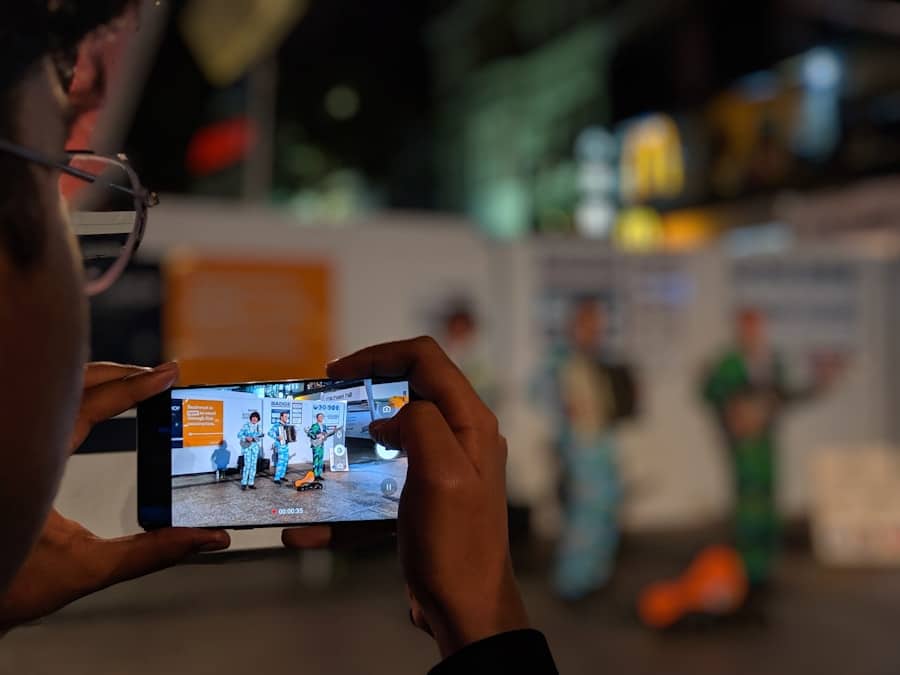
The customer experience is paramount in any business model, and MLM is no exception. Augmented Reality offers unique opportunities to enhance this experience by providing personalized interactions that cater to individual preferences. For example, an MLM company selling home decor products could develop an AR app that allows customers to visualize how different items would look in their own homes before making a purchase.
By simply pointing their smartphone at a room, customers could see virtual representations of furniture or decor items placed within their space. This capability not only helps customers make informed decisions but also reduces the likelihood of returns due to mismatched expectations. Furthermore, AR can be used to create loyalty programs that reward customers for engaging with products through interactive experiences.
For instance, customers who use an AR app to explore new product lines could earn points or discounts on future purchases. By enhancing the customer experience through AR, MLM companies can foster brand loyalty and encourage repeat business.
Tracking and Analyzing Data with Augmented Reality for MLM
Data analytics is crucial for understanding consumer behavior and optimizing marketing strategies within the MLM framework. Augmented Reality provides unique opportunities for tracking interactions and gathering valuable insights about customer preferences and engagement levels. For instance, when customers interact with AR-enhanced marketing materials or product demonstrations, companies can collect data on which features are most appealing or which products generate the most interest.
This data can then be analyzed to inform future marketing campaigns or product development efforts. For example, if analytics reveal that customers are particularly drawn to certain features showcased in an AR demonstration, companies can emphasize those aspects in their promotional materials or even consider expanding their product lines based on consumer interest. By leveraging AR for data tracking and analysis, MLM businesses can make informed decisions that drive growth and improve overall performance.
Implementing Augmented Reality Strategies for Team Building and Collaboration
Team building is essential for fostering a cohesive and motivated sales force within MLM organizations. Augmented Reality can facilitate collaboration among team members by creating interactive experiences that promote engagement and teamwork. For example, an MLM company could develop an AR-based team-building exercise where distributors work together to solve challenges or complete tasks using virtual elements related to their products.
These collaborative activities not only strengthen relationships among team members but also encourage knowledge sharing and skill development. Additionally, AR can be used for remote team-building initiatives, allowing distributors from different locations to connect and collaborate in real-time through shared virtual environments. By implementing AR strategies for team building and collaboration, MLM companies can cultivate a strong sense of community among their distributors, ultimately leading to increased motivation and productivity.
In summary, Augmented Reality presents numerous opportunities for Multi-Level Marketing companies to innovate their approaches across various facets of their operations. From enhancing product demonstrations to creating interactive training modules and improving customer experiences, AR technology has the potential to reshape how MLM businesses engage with both distributors and consumers alike. As this technology continues to evolve, its integration into the MLM landscape will likely become increasingly essential for staying competitive in an ever-changing market environment.
If you are looking for tips to help you move forward in network marketing, you should check out this article. It provides valuable insights and strategies to help you navigate the world of MLM. Additionally, if you are seeking ideas to succeed in network marketing, this article offers practical advice and tips to help you achieve your goals. And if you are interested in learning about the top MLM companies in the industry, you can find a comprehensive list in this article.
FAQs
What is augmented reality (AR)?
Augmented reality (AR) is a technology that superimposes computer-generated images, information, or sensory inputs such as sound, video, or GPS data onto a user’s view of the real world.
How can augmented reality be used to boost an MLM business?
Augmented reality can be used to enhance the customer experience by providing interactive product demonstrations, virtual try-on experiences, and immersive brand storytelling. This can help MLM businesses showcase their products in a more engaging and memorable way, leading to increased sales and customer retention.
What are some examples of using augmented reality in MLM businesses?
Some examples of using augmented reality in MLM businesses include virtual product catalogs, AR-powered product packaging, interactive product tutorials, and virtual event experiences. These applications can help MLM businesses differentiate themselves in a competitive market and attract tech-savvy customers.
What are the benefits of using augmented reality in MLM businesses?
The benefits of using augmented reality in MLM businesses include increased customer engagement, improved brand perception, higher conversion rates, and a competitive edge in the market. AR can also help MLM businesses reduce product return rates by allowing customers to virtually try on products before making a purchase.
Are there any challenges in implementing augmented reality in MLM businesses?
Challenges in implementing augmented reality in MLM businesses may include the initial investment in AR technology, the need for technical expertise to create AR experiences, and ensuring that the AR experiences align with the brand’s image and values. Additionally, MLM businesses may need to educate their salesforce and customers on how to use AR technology.


